5 Simple Statements About warehouse sanitation services Explained
The Importance of Thorough Cleaning for Preserving Warehouse Hygiene and Bug Control
Significance of Keeping Cleanliness in Warehouses
Maintaining sanitation in storage facilities is critical for making certain smooth operations and protecting against potential dangers. A well-organized and tidy storage facility not only boosts effectiveness in storage space and access procedures yet additionally contributes to a secure working environment for staff members. By supporting high cleanliness criteria, the threat of crashes as a result of mess or barriers is decreased, advertising a society of safety and security within the office.
Furthermore, maintaininging the problem of items in storage, lessening the risks of spoilage or damage. Buildup of dust, grime, and clutter not only jeopardizes the high quality of product yet likewise welcomes undesirable pests and vermin, creating more threats within the stockroom premises. Constant cleansing procedures not just promote tidiness requirements however likewise demonstrate dedication to professionalism and reliability and excellence in handling quality control.
Usual Insects Located in Stockrooms
As a skilled storehouse supervisor, I have run into a variety of bugs that generally infest stockroom areas. Among these bugs, rodents such as rats and mice are regular unwelcome visitors because of the wealth of food resources and concealing places in warehouses. Not just do rodents chomp with packaging and infect products with their droppings, however they also pose considerable wellness dangers by carrying diseases that can conveniently spread throughout the facility.
Along with rats, pests like roaches and ants also tend to discover their way into storehouses, brought in by wetness, food residues, and dark holes to conceal in. These bugs are not just an annoyance yet can also cause damages to stored products and devices. Moreover, they can compromise the total health of the storehouse, causing possible health hazards for staff members operating in the atmosphere.
Health And Wellness Risks Associated with Pest Infestations
Bug infestations in warehouses present significant health threats to both employees and products stored within the center. Rodents, pests, and various other insects can spread out conditions and infect goods, causing possible health hazards for those operating in the storehouse. In addition, parasite droppings and pee can trigger allergic reactions and respiratory system issues amongst people exposed to such environments.
Additionally, the presence of pests in storehouses can lead to food contamination and endanger the integrity of kept things. Insects such as rodents are known to gnaw through product packaging materials, bring about item damage and monetary losses for services. Therefore, preserving a pest-free atmosphere is crucial not just for the health and wellness and wellness of stockroom team yet also for making certain the top quality and safety of items saved on-site.
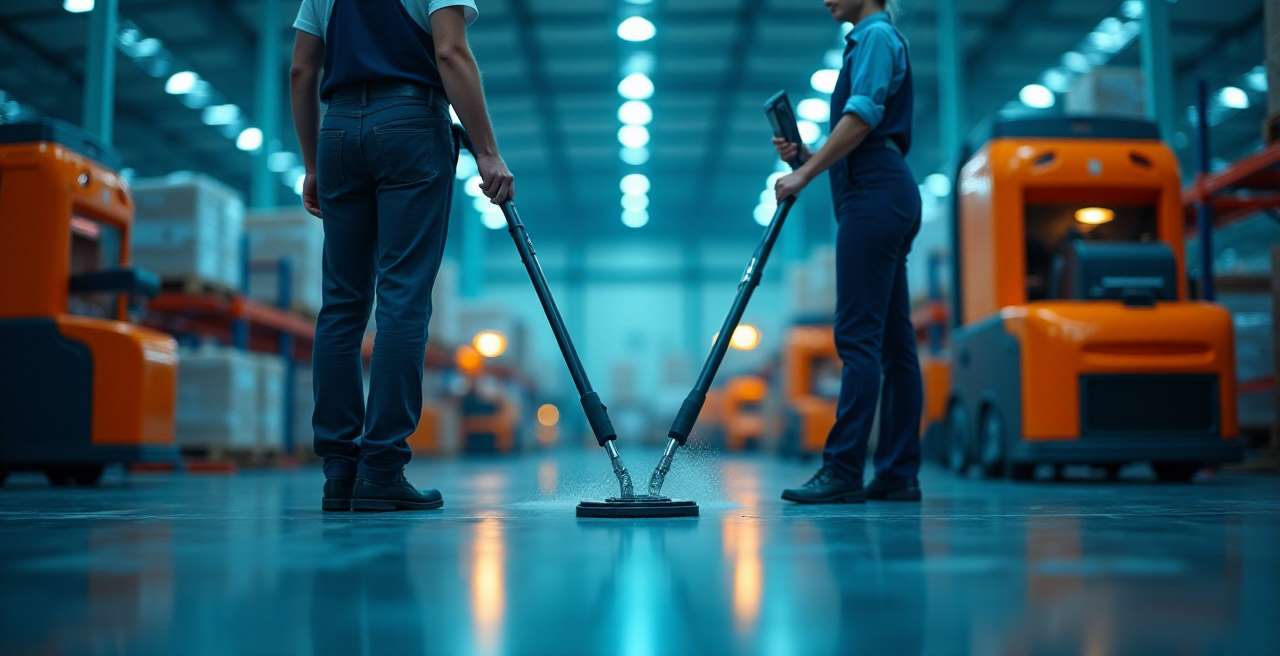
Deep cleansing is essential for parasite control in storage facilities as it eliminates food sources and reproducing premises, along with interrupts shelter and hiding spots for insects. This positive technique significantly lowers the opportunities of parasite infestations, producing a clean and secure environment for staff members and shielding stored products.
Routine complete cleaning additionally aids to quickly identify any type of indicators of pests, enabling timely action before the issue aggravates. When coupled with various other parasite control approaches like securing entrances and preserving correct garbage disposal, deep cleaning comes to be an important aspect in developing a strong pest control plan. These synergies not just decrease the risks related to insects yet also enhance the performance and performance of warehouse tasks.
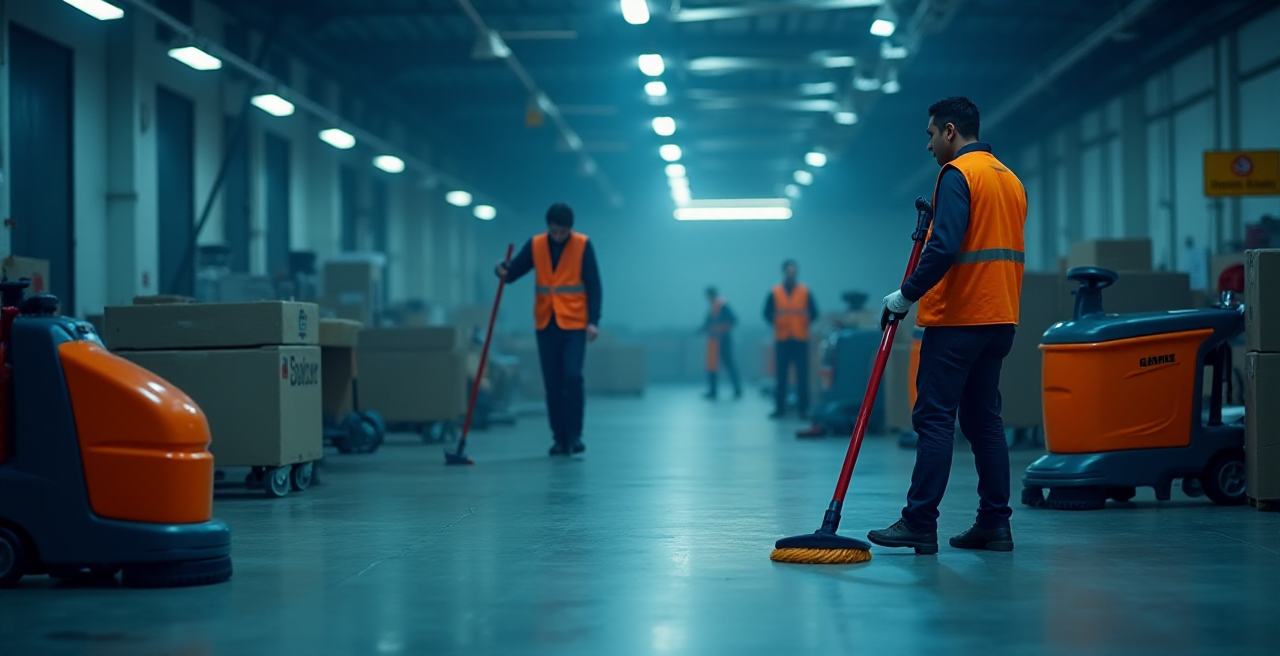
Maintaining sanitation in storehouses is essential for advertising hygiene. With my extensive experience in warehouse management, I have discovered that using effective cleansing techniques is key to accomplishing this objective. A basic element of maintaining tidiness is developing a regular routine for sweeping and mopping to eliminate dust, dust, and particles that might collect on the floors. This method not only boosts the general cleanliness of the stockroom but likewise discourages pests from establishing nesting locations.
An additional necessary cleaning technique is to prioritize the cleansing of hard-to-reach locations such as corners, ceilings, and behind hefty equipment. These locations are frequently neglected throughout regular cleaning regimens but can nurture pests and germs if left unattended. By including thorough cleaning of all nooks and crannies, storage facility managers can significantly improve the hygiene criteria and develop a much healthier setting for both workers and kept products.
Significance of Regular Assessments for Parasite Prevention
Routine inspections play a crucial function in making certain effective bug prevention in storage facilities. As an expert in the pest control sector, I have seen firsthand the effect that regular examinations can carry determining and dealing with pest issues before they rise. These examinations function as an aggressive action to discover any signs of pest activity early, enabling timely intervention to avoid invasions from holding.
By carrying out regular assessments, storehouse supervisors can stay ahead of potential insect problems, minimizing the danger of damage to saved goods and tools. As parasites can multiply swiftly and cause considerable injury in a brief period, regular examinations are indispensable in keeping a pest-free setting. With these regular checks, any kind of susceptabilities or favorable conditions for bugs can be determined and corrected promptly, making certain that the storehouse stays a clean and sanitary room for both workers and saved goods.
Function of Appropriate Waste Management in Pest Control
Effective waste management plays an important function in bug control within storage facility settings. By making sure that waste is correctly disposed of and saved in sealed containers, we can substantially lower the destination of pests such as rats and pests. Ignored or poorly handled waste can act as a food resource and reproducing ground for parasites, leading to problems that are testing to eradicate.
On top of that, establishing a waste management approach with arranged disposal and well-kept waste areas is critical not only for staying clear of additionally for promoting sanitation and orderliness in the stockroom. Urging a culture of sanitation and accountability among storehouse workers is essential for guaranteeing the consistent execution of these waste administration treatments to effectively decrease the probability of insect problems.
Integr Style
A crucial element of an extensive parasite control plan is the calculated use pest-deterrent materials in warehouse construction and improvement. By selecting materials that are naturally immune to pest damages, storehouse owners can substantially minimize the probability of problems. From using specialized layers to walls and surface areas to selecting long lasting materials that withstand insect activity, careful consideration of every layout aspect can assist produce a setting that discourages bugs from holding.
For many years, I have actually experienced firsthand the effect of making use of pest-resistant materials in storage facility design. The selection of products not only adds to pest avoidance initiatives yet likewise enhances the general resilience and durability of the center. By proactively picking products that hinder pests, storage facilities can safeguard their inventory, minimize the requirement for regular bug control therapies, and eventually ensure a cleaner and healthier environment for both employees and goods saved within the facilities.
Storage facility cleaning services that incorporate Integrated Insect Administration (IPM) strategies are gaining grip in the sector for their extensive technique to dealing with pest issues. By using a mix of techniques like cleanliness, pest exclusion, routine surveillance, and targeted chemical therapies, warehouses can efficiently while reducing damage to the setting. In my experience, taking on IPM approaches not only aids in pest control however additionally urges aener and even more sustainable way of taking care of stockrooms.
An important element of Integrated Pest Management is its concentrate on expecting and stopping pest issues, as opposed to just responding to them after storage facilities can considerably decrease the chance of infestations taking place. From my experience in the field, I've observed that proactive IPM comes close to not only yield long-lasting expense financial savings and effectiveness gains, yet additionally contribute to a cleaner, safer, and extra positive work environment for storage facility personnel.
Educating Warehouse Team on Bug Recognition and Control
A knowledgeable workforce is crucial for preventing pest problems and keeping a hygienic storehouse setting. Through detailed training programs, employees can create the skills to identify prospective parasite dangers, value the importance of correct sanitation procedures, and take positive steps to prevent parasite issues. Normal training sessions and updates can aid reinforce personnel expertise and commitment to adhering to rigorous cleanliness and parasite monitoring standards.
As part of the training program, it is vital to focus on cultivating a culture of alertness and proactive pest monitoring among all team member. Urging workers to report any kind of deep cleaning warehouse spaces signs of parasite task quickly and equipping them with the essential devices to address minor concerns can go a long way in avoiding invasions. By instilling a sense of common obligation and empowerment, each employee can contribute to developing a pest-resistant environment and guarding the storage facility against possible threats.
Using Innovation for Pest Monitoring and Control
Embracing technology for insect surveillance and control has reinvented the means we take care of storehouse health. Automated sensors and cameras allow for real-time security, enabling us to identify bug task at its start and take immediate action. Making use of these cutting-edge tools has substantially enhanced our capability to avoid infestations and maintain a pest-free setting within our facilities.
An additional innovation that has confirmed important in insect control is making use of incorporated insect administration software application. This software enhances information collection, analysis, and decision-making procedures, offering us with extensive insights into insect patterns and hotspots. By leveraging advanced formulas and predictive analytics, we can proactively attend to prospective pest issues prior to they intensify, inevitably fortifying our protection against undesirable burglars.
Collaborating with parasite control specialists can significantly boost the effectiveness of insect control steps in a stockroom. Their know-how and experience allow them to detect and resolve potential pest problems early on. By working together with these experts, warehouse supervisors can develop tailored bug control methods to tackle their unique demands and challenges.
Additionally, bug control professionals can offer important understandings into the latest pest control strategies and technologies. Their experience permits them to supply tips on how to boost storehouse health methods and stop future infestations. By partnering with these experts, stockrooms can remain ahead of possible insect issues and guarantee a clean and secure setting for their staff members and stock.
Creating an Extensive Insect Control Plan
When designing a thorough pest control prepare for warehouses, it is crucial to initial carry out a complete evaluation of the facility to recognize prospective entrance points and harborage locations for pests. This initial assessment helps in identifying specific vulnerabilities that require to be dealt with to prevent invasions. As soon as the trouble areas are recognized, it is important to establish a customized method that consists of a combination of preventive measures, such as securing splits and gaps, proper waste management, and executing pest-resistant products in the storage facility style.
Along with preventive measures, an efficient pest control strategy need to likewise incorporate aggressive surveillance techniques to identify any kind of indicators of pest activity early. Normal evaluations and the use of modern technology for parasite surveillance can assist in recognizing bug concerns prior to they escalate, enabling timely treatment. Collaborating with pest control experts can give beneficial understandings and know-how in executing incorporated bug administration approaches tailored to the certain demands of the warehouse environment.
Gauging the Performance of Deep Cleansing Practices in Parasite Control
In assessing the effect of deep cleaning techniques on bug control in stockrooms, it is important to track key efficiency signs such as the reduction in bug sightings and infestations gradually. By conducting normal inspections and checking pest activity before and after deep cleaning sessions, it becomes easier to measure the efficiency of these techniques in preserving a pest-free atmosphere. Furthermore, examining any kind of adjustments in pest-related issues publish deep cleansing supplies useful understandings right into the success of the cleaning methods implemented.
It is essential to record all findings and observations pertaining to pest task and sanitation levels in warehouses to establish a standard for comparison. This paperwork needs to include information such as the sorts of pests experienced, their areas within the facility, and the extent of invasion. By keeping detailed records and information on insect control efforts, it becomes feasible to not only determine the efficiency of deep cleaning practices yet likewise identify areas for renovation and additional optimization of parasite avoidance techniques.